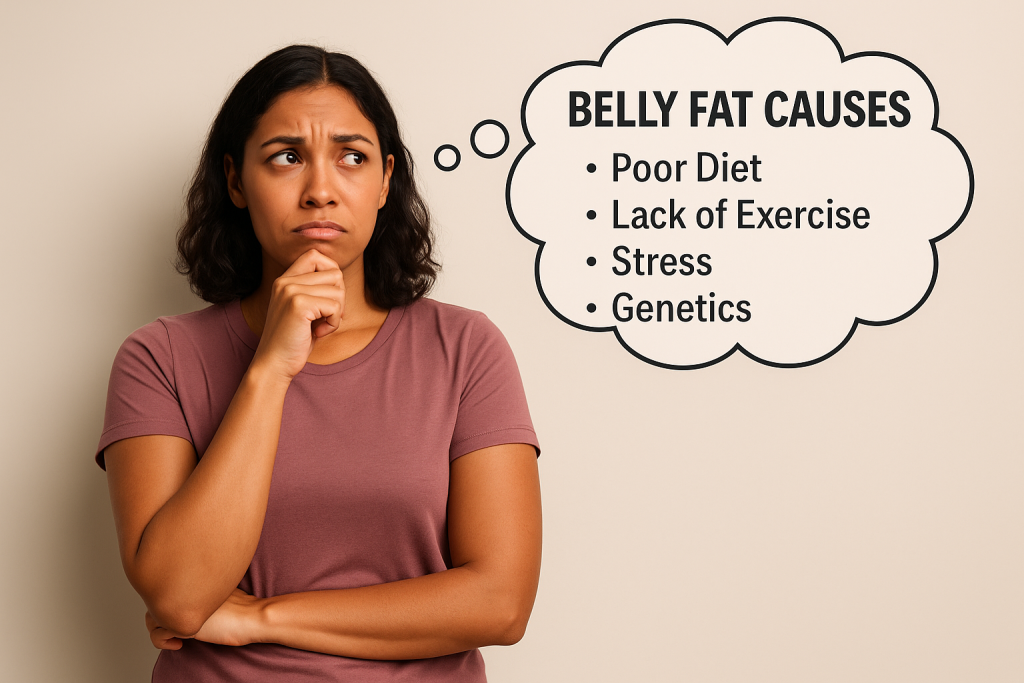
Belly Fat Basics – 10 Essential Facts Every Beginner Should Know
Understanding how and why belly fat forms is the first step toward managing it safely and effectively. Belly fat does more than change your appearance — it impacts energy, hormones, and long-term health. In this guide, we’ll break down Belly Fat Basics into simple, science-backed explanations so you can build a clear plan for healthier living.
What Is Belly Fat?
Belly fat isn’t all the same. Some of it sits right under the skin, while some hides deep inside your abdomen. Together, these layers affect your shape, metabolism, and even your digestion.
Types of Belly Fat: Subcutaneous vs. Visceral
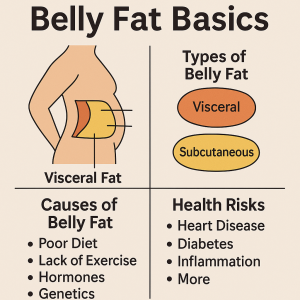
There are two key types:
-
Subcutaneous fat – the soft fat you can pinch
-
Visceral fat – the fat surrounding your organs
Visceral fat is more dangerous because it releases inflammatory chemicals and interferes with metabolic health.
Why Belly Fat Accumulates
Several factors influence belly fat buildup:
-
poor eating habits
-
hormonal changes
-
lack of physical activity
-
genetics
-
deep stress levels
Understanding these is essential for creating safer and more effective fat-loss strategies.
The Science Behind Belly Fat in the Human Body
Belly fat is closely tied to internal body signals, especially hormones.
Hormones and Their Role in Fat Storage
Hormones like insulin, cortisol, and estrogen affect where fat is stored. For example:
-
Insulin spikes encourage fat storage
-
High cortisol from stress leads to abdominal fat
-
Estrogen changes during menopause shift fat toward the belly
Age-Related Changes and Metabolism
As you age:
-
metabolism slows
-
muscle mass decreases
-
daily activity often drops
All these changes make belly fat more likely to form.
Common Causes of Belly Fat Gain
Poor Diet and High Sugar Intake
Sugary drinks, refined carbs, and fried foods spike blood sugar, increase insulin, and encourage fat storage.
Lack of Physical Activity
Sitting too much lowers metabolism and reduces muscle tone, both of which increase belly fat.
Stress, Cortisol, and Emotional Eating
When you’re stressed, your body craves sugar and high-fat comfort foods, leading to weight gain.
Genetics and Body Shape
Some people naturally store more fat around the midsection because of inherited traits.
Health Risks Linked to Excess Belly Fat
Heart Disease and Stroke Risk
Visceral fat increases inflammation, which strains the cardiovascular system.
Insulin Resistance and Type 2 Diabetes
Too much abdominal fat makes the body less responsive to insulin, raising blood sugar levels.
Digestive and Inflammatory Problems
Visceral fat is linked to chronic inflammation, bloating, and hormone imbalance.
How to Measure Belly Fat Correctly
Waist Circumference Method
Wrap a measuring tape around your waist at the navel.
-
Women: over 35 inches may increase risk
-
Men: over 40 inches may increase risk
Waist-to-Hip Ratio
Divide waist measurement by hip measurement. Ratios above 0.85 for women or 0.90 for men can indicate higher health risk.
Proven Ways to Reduce Belly Fat
Here are proven and safe ways to minimize abdominal fat.
Smart Nutrition Habits
-
choose whole foods
-
increase fiber intake
-
eat more lean proteins
-
reduce sugary drinks and alcohol
Cardiovascular and Strength Workouts
-
brisk walking
-
strength training
-
HIIT (High-Intensity Interval Training)
-
core-strengthening routines
Sleeping and Stress-Relief Techniques
-
aim for 7–9 hours of sleep
-
practice deep breathing
-
try yoga or meditation
Supplements That Can Support Belly Fat Loss
These supplements don’t replace healthy habits but can help support them.
Green Tea Extract
Helps with thermogenesis and fat oxidation.
Probiotics
Supports gut health, reduces bloating, and improves digestion.
Omega-3 Fatty Acids
Reduces inflammation and supports hormone balance.
Foods That Help Target Belly Fat
High-Fiber Foods
-
oats
-
berries
-
leafy greens
Lean Proteins
-
chicken
-
fish
-
tofu
Healthy Fats
-
avocado
-
nuts
-
olive oil
Myths About Belly Fat You Should Ignore
Spot-Reduction Misconceptions
You can’t lose fat in just one area — fat loss happens across the whole body.
“Quick Fix” Diets and Pills
If it promises overnight results, it’s likely unsafe or ineffective.
Realistic Expectations and Timelines
How Long Does It Take to See Results?
Most people see noticeable changes in 8–12 weeks with consistent habits.
FAQs About Belly Fat Basics
-
Is belly fat more dangerous than other fat?
Yes, visceral fat raises serious health risks. -
How can I tell if I have too much belly fat?
Measuring waist size is a simple and effective method. -
Can certain foods burn belly fat?
No food burns fat directly, but some support metabolism. -
Do supplements really help?
They assist but should not replace healthy routines. -
Is cardio enough to lose belly fat?
No — a mix of cardio, strength training, and nutrition works best. -
Does stress really increase belly fat?
Yes, stress hormones directly impact fat storage.
Conclusion
Belly fat affects more than appearance — it impacts your health, energy levels, and confidence. By learning the Belly Fat Basics, you gain the power to make smarter decisions, create healthy habits, and work toward long-lasting results in a safe and sustainable way.