10 Powerful Lower Belly Floor Exercises to Strengthen Your Core & Posture (Expert Guide 2025)


10 Proven Lower Belly Floor Exercises for Strength, Balance & Core Stability

Your lower belly and pelvic floor muscles play a huge role in how you move, stand, balance, and breathe. When these muscles weaken, everyday tasks like standing upright, bending, and even walking can feel harder than they should. This is why lower belly floor exercises are so important. They target the deep stabilizing muscles of the abdomen and pelvic region—muscles that often go neglected during traditional ab workouts.

In this guide, you’ll learn exactly why lower belly floor exercises matter, how to perform them safely, and the 10 best moves for building long-lasting strength and stability.


Understanding Lower Belly Floor Exercises
Lower Belly Floor Exercises 
Lower Belly Floor Exercises

What the Lower Belly Floor Muscles Do

The lower belly region includes the deep core muscles—the transverse abdominis, lower rectus abdominis, and internal obliques—along with the pelvic floor. These muscles control stability and support the spine and hips.

Signs of Weak Lower Belly Floor Muscles

You may need lower belly floor exercises if you notice:

  • Slouching or difficulty sitting upright

  • Lower back tension

  • Weak pelvic control

  • Poor core engagement

  • Trouble balancing

  • Bloating or abdominal bulging during exercise

These symptoms are extremely common and very treatable with proper training.

Why These Exercises Matter for All Ages

Whether you’re 20, 40, or 60+, strengthening the lower belly floor is essential for:

  • Comfortable movement

  • Injury prevention

  • Pelvic stability

  • Better athletic performance

  • Long-term core health


Benefits of Lower Belly Floor Exercises

Improved Core Stability

These exercises strengthen your deep internal core system—the foundation for every movement.

Better Posture & Spinal Support

Strong lower belly muscles help lengthen the spine, keeping posture upright and pain-free.

Reduced Lower Back Pain

Many lower back problems come from underactive core muscles. Training them helps relieve discomfort.

Increased Pelvic Stability

This improves bladder control, supports daily activities, and helps protect the hips.


How to Perform Lower Belly Floor Exercises Correctly

Proper Breathing Technique

Correct breathing is essential:

  • Inhale through the nose

  • Exhale slowly while drawing the belly inward

  • Maintain gentle tension, not strain

Form Tips for Beginners

  • Keep the lower back flat

  • Move slowly, never rushing

  • Focus on controlled activation

  • Stop if pain occurs

Common Mistakes to Avoid

  • Overarching the back

  • Holding your breath

  • Using momentum instead of muscle control

  • Going too fast


10 Best Lower Belly Floor Exercises 

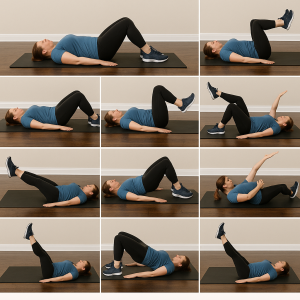
1. Pelvic Tilt Activation
10 Best Lower Belly Floor Exercises 
Best Lower Belly Floor Exercises

Lie on your back, gently tilt your pelvis upward, and engage your lower belly muscles. Hold for 5 seconds.

2. Lower Abdominal Brace

Breathe out and draw your lower stomach inward while keeping the spine neutral. Hold 10–15 seconds.

3. Toe Taps

Lift your legs to a tabletop position and gently tap one foot to the floor, alternating sides.

4. Heel Slides

Slide one heel forward while keeping the belly flattened, then return. Switch legs.

5. Supine Marching

March your legs upward in slow, controlled movements while keeping your core tight.

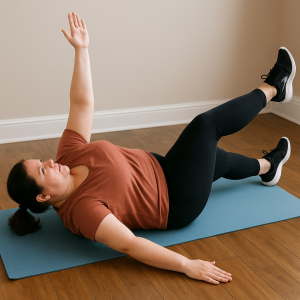
6. Dead Bug Hold

Extend opposite arm and leg while keeping the belly pulled inward. Great for deep core activation.

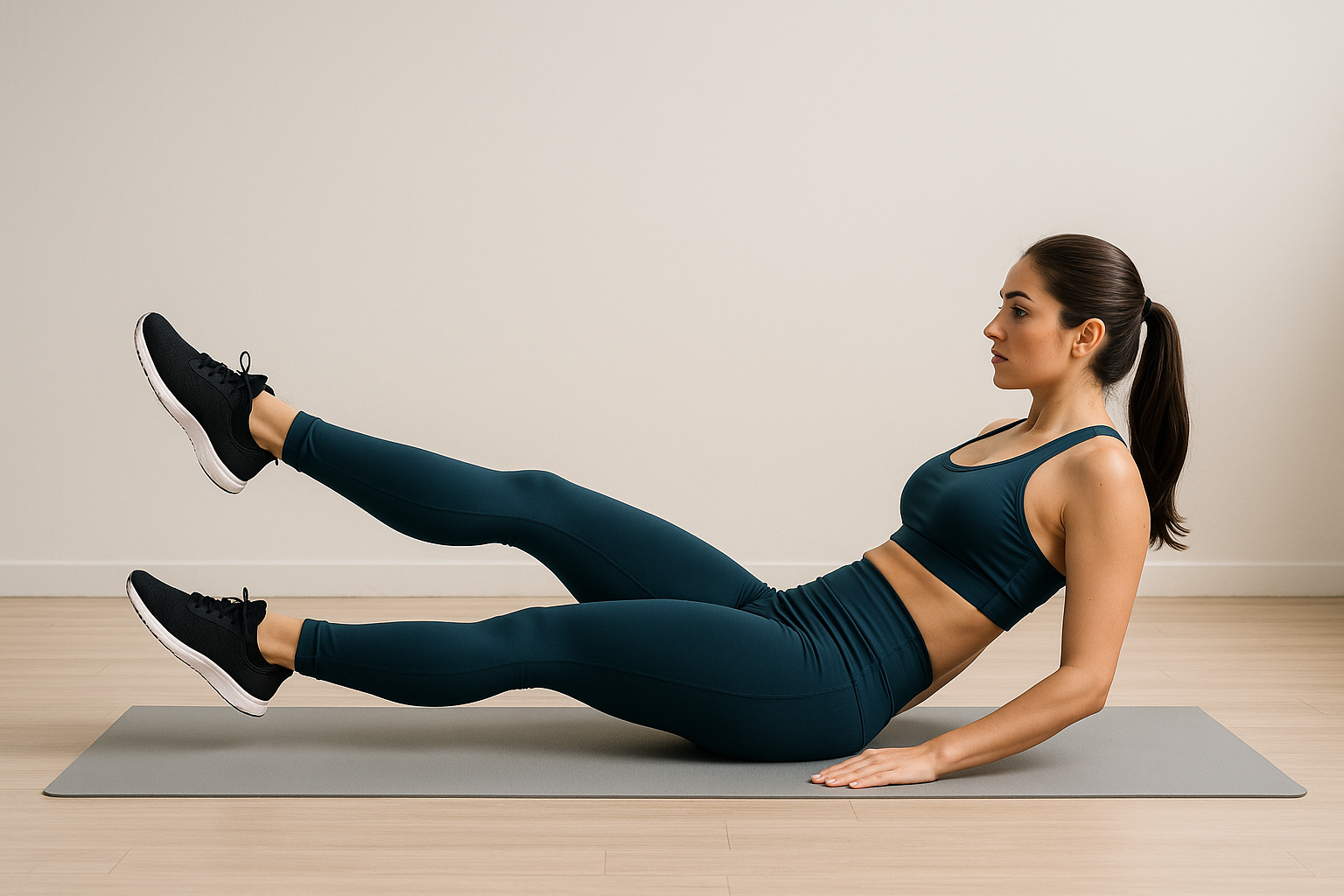
7. Elevated Leg Hold

Lift legs slightly off the floor while pressing the lower back down. Hold 10–20 seconds.

8. Glute Bridge with Lower Belly Engagement

Lift hips upward while squeezing the glutes and activating the lower belly at the top.

9. Controlled Leg Drop

Lower one leg slowly toward the floor while keeping your back flat.

10. Pelvic Floor Lift (Kegel Integration)

This integrates controlled pelvic contraction with deep belly breathing for full lower floor engagement.


Weekly Beginner-to-Advanced Training Routine

Easy Beginner Routine

  • Pelvic tilt – 10 reps

  • Heel slides – 10 reps

  • Toe taps – 10 per side

  • Abdominal bracing – 3 sets, 10 sec each

Intermediate 20-Min Routine

  • Dead bug – 12 reps

  • Supine marching – 15 reps

  • Controlled leg drops – 10 per side

  • Glute bridge – 15 reps

Advanced Strength Circuit

  • Leg hold – 20 seconds

  • Toe tap extensions – 12 reps

  • Bridge with single-leg lift – 10 each

  • Dead bug slow hold – 10 reps


Lifestyle Factors That Support Lower Belly Strength

Posture Habits

Sit tall with the core slightly engaged throughout the day.

Nutrition & Hydration

Stable digestion and hydration improve abdominal muscle performance.

Daily Movement Tips

Walking, stretching, and gentle rotation help keep the core active between workouts.


FAQs About Lower Belly Floor Exercises

1️⃣ How often should I do lower belly floor exercises?
3–4 times weekly is ideal for noticeable improvement.

2️⃣ Can these exercises help with lower back pain?
Yes—strengthening the deep core often reduces lower-back discomfort.

3️⃣ Are these safe for beginners?
Absolutely. Start slow and progress gradually.

4️⃣ Can I combine these with regular ab workouts?
Yes, but always do deep core work first for better activation.

5️⃣ Will these exercises flatten my stomach?
They strengthen and tighten the lower belly, but diet also plays a role.

6️⃣ Are pelvic floor lifts necessary?
They enhance stability and are beneficial for most adults.


Conclusion

Lower belly floor exercises are one of the most effective ways to build a strong, balanced, and stable core. By training these deep muscles, you support your posture, protect your back, and improve everyday movement. Start slowly, engage your breath, and be consistent—your body will thank you.
Belly Fat Workouts – Loss Belly Fat For Women

12 Powerful Core Workouts Over 40 That Boost Strength, Mobility & Confidence (2025 Guide)


Top 12 Powerful Core Workouts Over 40 for Strength & Longevity

Staying strong becomes more important as we age, and one of the best ways to maintain your health is by focusing on core workouts over 40. Your core affects everything—from balance and posture to lower-back support and everyday mobility. If you’re in your 40s or beyond, building a resilient midsection helps you move confidently and prevents future aches, pains, and injuries. In this guide, we’ll explore the best core exercises for mature bodies, how to do them safely, and how to build a weekly plan that keeps you active for years to come.


Understanding Core Workouts Over 40: Why They Matter More Than Ever

Effects of Aging on Core Strength 

Core Workouts Over 40
seated knee tucks

As we pass 40, natural changes occur within the body. Lean muscle mass begins to decline, a process known as sarcopenia. Hormonal shifts can make recovery slightly slower. The spine also loses some flexibility over time, placing additional pressure on the back and hips. These changes don’t mean your fitness journey is over—they simply mean your approach needs to be smart and intentional.

Benefits of Strong Core Muscles After 40

Strengthening your core at this stage of life offers several major benefits:

  • Improved posture and spinal alignment

  • Reduced lower-back pain

  • Better balance and fall prevention

  • Enhanced overall mobility for daily life

  • Strength for lifting, twisting, and carrying

  • Increased confidence in movement and activities

A solid core also boosts functional strength, making hobbies, housework, and sports more enjoyable.

Common Core Weakness Symptoms in Midlife

Many people over 40 experience signs of core weakness but don’t recognize the symptoms. These include:

  • Frequent lower-back discomfort

  • Tight hips

  • Difficulty balancing

  • Poor posture

  • Fatigue during everyday tasks

  • Stiffness after standing or sitting too long

If any of these sound familiar, the core workouts over 40 in this article can help restore strength.


How to Begin Core Workouts Over 40 Safely

Warm-Up Essentials for Mature Bodies

Core Workouts Over 40

Before jumping into any core routine, warm-up is crucial. A gentle start keeps joints protected and muscles activated. Begin with:

  • 3–5 minutes of walking in place

  • Arm circles

  • Gentle hip rotations

  • Light marching

A warm body moves better and reduces injury risk.

Form, Breathing, and Range of Motion Tips

People over 40 often get the fastest results when they focus on controlled, deliberate movements. Try to:

  • Engage your abdominal wall without holding your breath

  • Avoid jerky, fast motions

  • Keep movements pain-free

  • Use full but comfortable range of motion

Perfect form always beats speed or intensity.

When to Consult a Trainer or Doctor

If you have chronic back pain, slipped discs, sciatica, recent surgeries, or joint conditions, consult a medical professional before beginning a new workout regimen. A trained professional can help adapt exercises to your needs.


12 Best Core Workouts Over 40

Below are the most effective core strengthening exercises, safe for beginners and powerful enough for long-term progress.

1. Dead Bug Exercise

This gentle, controlled movement strengthens deep abdominal muscles. It supports posture and reduces back strain.

2. Bird Dog Extension

Great for stability, balance, and spine support. Perfect for those who experience lower-back tightness.

3. Modified Plank Hold

Instead of a full plank, keep knees on the floor. This variation protects your joints while activating the core.

4. Glute Bridge Lift

Strengthens your glutes, hamstrings, and core together. Great for relieving back pain.

5. Standing Oblique Crunch

A low-impact side-body movement that enhances rotational strength and improves posture.

6. Heel Slides

Excellent for beginners and those with tight hips. Helps engage lower abdominals.

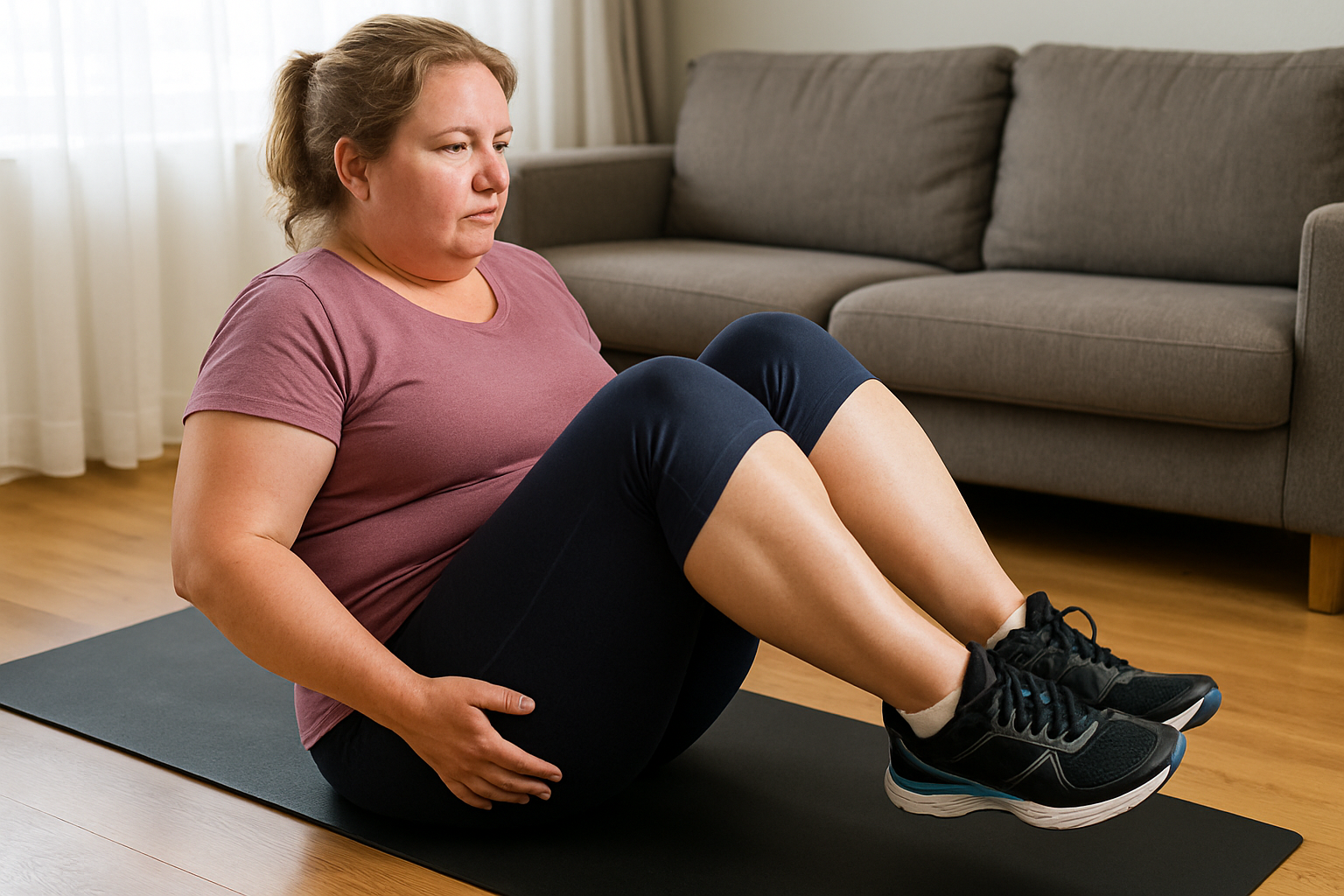
7. Seated Knee Tucks

Targets mid and lower abs without stressing the neck.

8. Side-Lying Leg Raises

Builds lateral strength and stability, keeping hips aligned.

9. Wall Sit with Core Activation

Hold a wall sit while engaging your core to build endurance.

10. Reverse Marching

A back-friendly way to activate the lower abdominals.

11. Resistance Band Core Rotations

Great for building rotational strength needed for everyday twisting.

12. Stability Ball Core Holds

A stability ball activates more muscles at once, improving balance.


Weekly Core Workout Plan for People Over 40

Beginner-Friendly Core Routine

  • 3 days per week

  • 8–10 exercises

  • 10–15 repetitions each

  • Slow, controlled movements

Intermediate-Level Training Schedule

  • 4 days per week

  • Add resistance bands or light weights

  • Increase to 2–3 sets per exercise

Recovery and Rest Day Structure

Recovery becomes more important as you age. Aim for:

  • 1–2 rest days per week

  • Stretching

  • Light walking

  • Hydration

Your muscles rebuild stronger during recovery.


Nutrition Tips to Support Core Strength After 40

Protein and Muscle Maintenance

Aim for lean proteins like:

  • Chicken

  • Turkey

  • Fish

  • Beans

  • Tofu

Protein rebuilds muscles after workouts.

Hydration and Electrolytes

Drink water consistently and add electrolytes when sweating more than usual.

Joint-Friendly Foods

Foods like salmon, nuts, seeds, and olive oil support joint health and reduce inflammation. See more at reputable health sites like the Mayo Clinic. (External link styling included as per requirements)


FAQs About Core Workouts Over 40

1️⃣ Can I do core workouts every day after 40?
It’s best to train your core 3–4 times per week to allow proper recovery.

2️⃣ Are planks safe for people over 40?
Yes—especially modified planks. Listen to your body and keep your form solid.

3️⃣ How long until I see results?
Most people notice improved strength and posture in 4–6 weeks with consistency.

4️⃣ Does walking help strengthen my core?
Absolutely! Walking engages deep abdominal muscles that support balance and posture.

5️⃣ Should I avoid sit-ups after 40?
Traditional sit-ups can strain the neck and lower back. Better alternatives include heel slides or dead bugs.

6️⃣ Can core workouts reduce belly fat after 40?
Core workouts help build muscle, but overall fat loss requires combining exercise with nutrition.


Conclusion

Core workouts over 40 are one of the smartest investments you can make for your future health. Whether you’re starting fresh or getting back into exercise, these movements strengthen your midsection, support your spine, and make everyday life easier. Consistency, proper form, and slow progression are key. With the right plan, you can stay strong, flexible, and confident well beyond your 40s.

Belly Fat Workouts – Loss Belly Fat For Women

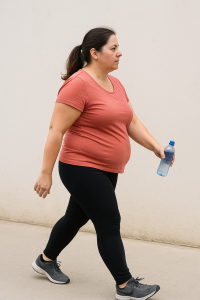
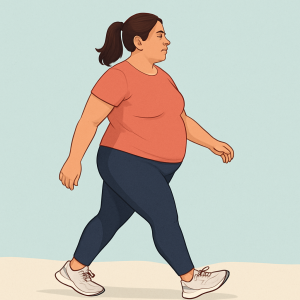
Walking 10000 steps to reduce belly fat


Walking 10000 steps how it helps reduce belly fat

1. How many calories is 10,000 steps?

Walking 10000 steps how it helps reduce belly fat
Walking 10000 steps

Very rough numbers (it varies by height, weight, speed):

  • 10,000 steps ≈ 7–8 km

  • That’s about 300–500 extra calories burned per day for many people.

If your food intake stays the same, that extra burn helps push you into a calorie deficit, which is the only way your body taps into stored fat (including belly fat).


2. Why it helps specifically with belly fat

You can’t spot-reduce (you can’t tell your body “only burn belly fat”), but walking helps in ways that favour belly fat loss over time:

  1. Improves insulin sensitivity
    Regular walking helps your muscles use blood sugar better. High insulin levels are linked with more fat storage around the belly. Better insulin sensitivity = less “store it on my waist” signalling over time.

  2. Lowers stress (and cortisol)
    Chronic stress → higher cortisol → more fat stored around the abdomen for some people. Walking, especially relaxed outdoor walks, helps lower stress, which reduces the hormonal push toward belly fat.

  3. Boosts NEAT (non-exercise activity)
    NEAT = all the movement you do that isn’t formal exercise. People who walk more all day long tend to have leaner waists than those who only do one intense workout then sit all day. 10,000 steps is a great NEAT target.


3. What actually needs to happen for your belly to shrink

Walking 10,000 steps is a tool, not the whole job.

To see belly fat reduction, you generally need:

  1. Calorie deficit over time

    • Either eat a bit less, move more, or both.

    • 300–500 calories per day deficit is enough to see slow, steady progress.

  2. Consistent routine

    • 10,000 steps most days of the week.

    • Think in months, not days.

  3. Enough protein & decent diet quality

    • Protein helps you feel full and maintain muscle.

    • Less ultra-processed, high-sugar, high-fat snacks = less fat stored.

  4. Sleep & stress under control

    • Poor sleep and high stress make cravings worse and belly fat more stubborn.


4. What 10,000 steps won’t do

  • It won’t cancel out overeating (“I walked, so I can eat anything”).

  • It won’t only burn belly fat – your body chooses where to pull fat from.

  • It’s not a “30-day flat belly hack” – it’s part of a lifestyle.


5. Simple way to use 10,000 steps for belly fat loss

Walking 10000 steps how it helps reduce belly fat
Walking 10000 steps

You can try this structure:

  • Base goal: 8,000–10,000 steps per day (track with phone or watch).

  • Add:

    • 1–2 short walks after meals (10–15 minutes).

    • Light strength work 2–3x per week (squats, push-ups, glute bridges) to keep or build muscle.

  • Food tweak:

    • Keep portions the same but remove or reduce one high-calorie “extra” per day (e.g., sugary drink, pastry, late-night snack).

    • Aim for protein in every meal (eggs, yogurt, chicken, beans, etc.).

    • A simple example of  a average women with belly fat
    • 1. Starting point: what she’s like now

      • Walks only to the shops sometimes → likely 1,500–3,000 steps per day.

      • Spends most of the day sitting (TV, computer, car, etc.).

      • Feels tired easily, maybe a bit out of breath on hills or stairs.

      • Has a bigger belly, which usually means:

        • Possible insulin resistance

        • More fat stored around the waist

        • Maybe cravings for sugary snacks or comfort foods

      So we’re NOT going to jump straight to 10,000 steps.
      We’ll build up to it, so she doesn’t quit after 2 days.


      2. The goal: slowly reach 8,000–10,000 steps most days

      For an average-weight woman, 10,000 steps can burn ~250–400 extra calories per day.
      Over time, with a bit of food control, that helps reduce overall body fat, including belly fat.

      But the magic isn’t just calories. Walking also helps:

      • Lower blood sugar and insulin

      • Reduce stress and emotional eating

      • Improve sleep (which helps hunger hormones)


      3. 6-week walking plan for a “shops-only” walker

      Weeks 1–2: Wake up the body (no pressure phase)

      Goal: 3,000–4,000 steps per day
      (If she’s very unfit, even 2,000→3,000 is progress.)

      How:

      • Morning: 5–10 minutes easy walk near home

      • Evening: 5–10 minutes after dinner

      • Plus normal movement (to the shops, around the house)

      That’s it. The only rule: do it every day, even if short.


      Weeks 3–4: Build a habit (real movement phase)

      Goal: 5,000–7,000 steps per day

      How:

      • Morning: 10–15 minute walk (around the block 2–3 times)

      • After lunch or afternoon: 10 minutes

      • Evening: Optional extra 5–10 minute stroll

      Tip:
      If she watches TV, she can walk in place during adverts.
      It looks silly but adds hundreds of steps.


      Weeks 5–6: Belly-fat burning zone

      Goal: 8,000–10,000 steps on most days

      How:

      • Morning: 15–20 minutes brisk walk (till she feels slightly warm, but can still talk)

      • After lunch: 10–15 minutes (great for blood sugar)

      • Evening: 10–15 minutes relaxing walk to de-stress

      If she can’t hit 10,000 every day, no problem.
      More movement than before + consistency = progress.


      4. How this helps reduce her belly fat

      For a woman who used to do almost nothing:

      1. More calories burned daily
        Simply walking more can push her into a small calorie deficit if food doesn’t increase.

      2. Less fat stored around the waist
        Regular walking helps the body handle carbs better and can reduce insulin levels over time, which is linked with less belly fat.

      3. Lower stress and emotional eating
        Many women with a big belly also struggle with late-night snacking, stress eating, or “I deserve this” treats.
        Walking, especially in the evening, calms the brain and lowers cravings for comfort food.

      4. Better sleep → better hormones
        Good sleep = better control of hunger hormones (ghrelin and leptin), which makes overeating less likely.


      5. Simple food rules to match the walking (without “dieting hard”)

      If she keeps eating the same or more, walking alone won’t do much.
      But we don’t need a crazy diet — just simple tweaks.

      Daily basics

      • Protein in every meal

        • Eggs, Greek yogurt, chicken, turkey, fish, beans, lentils, tofu

      • Half the plate vegetables (or salad) at lunch and dinner

      • Swap 1–2 sugary or fatty snacks for:

        • Fruit

        • Nuts (small handful)

        • Yogurt

      • Drink more water
        Often she’s “hungry” but actually just tired or thirsty.

      1 easy rule she can remember

      “Walk more, and remove just one ‘extra’ per day.”

      Examples of “extras”:

      • Fizzy drink / sugary coffee

      • Pastry, muffin, biscuits

      • Late-night crisps or chocolate

      Removing just one of those every day, plus more walking, quietly creates the calorie deficit that shrinks the belly over time.


      6. Example day for her

      Morning

      • Wake up, water.

      • 15-minute walk around the block.

      • Breakfast:

        • Greek yogurt + berries + a little oats

        • Or eggs on wholegrain toast

      Midday

      • After lunch, 10-minute walk (even just up and down the street).

      • Lunch:

        • Half plate salad/veg, palm-sized protein (chicken/beans), small portion of carbs (rice/pasta/potato).

      Afternoon

      • If she wants a snack: fruit + handful of nuts instead of biscuits.

      Evening

      • 10–15-minute gentle walk after dinner.

      • No big snacks after 8pm unless truly hungry.

      That day can easily reach 8,000–10,000 steps for someone who used to only walk to the shops.


      7. Safety + reality check

      For an “only walks to the shops” woman:

      • Go slowly at first. Soreness is normal; sharp pain is not.

      • Good shoes are important (supportive trainers).

      • If she has heart problems, joint pain, or other medical conditions, it’s best to talk to her doctor before going above light–moderate walking.

      And most important:

      The belly doesn’t shrink in a week.
      But 6–12 weeks of more steps + fewer extras can change her waist, energy, and confidence a lot.

      Belly Fat Workouts – Loss Belly Fat For Women

Yoga Poses That Melt Fat


Yoga Poses That Melt Fat: Gentle Moves for a Leaner Belly

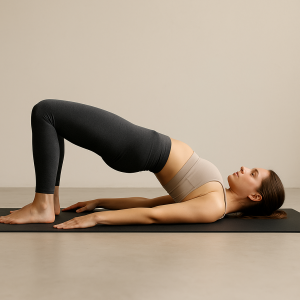
Bridge Pose (Setu Bandhasana)
Yoga Poses That Melt Fat

If you’re tired of punishing workouts and still not seeing the belly-fat results you want, yoga can feel like a breath of fresh air. While yoga isn’t a “magic” fat-burner on its own, the right poses can:

  • Fire up your core

  • Improve insulin sensitivity

  • Lower stress hormones (like cortisol) that encourage fat storage around the belly

  • Help you stay consistent with movement because it actually feels good

Below you’ll find the best yoga poses that support fat loss—especially around the midsection—plus tips on how to turn them into a simple, 15–20-minute routine.


How Yoga Helps With Fat Loss

Yoga supports fat loss in three powerful ways:

  1. Boosts metabolism (indirectly)
    Dynamic styles of yoga (like vinyasa or power yoga) raise your heart rate and build lean muscle, which helps you burn more calories throughout the day.

  2. Targets stubborn belly fat through stress reduction
    Chronic stress increases cortisol, which is linked to more fat being stored around the abdomen. Calm, mindful yoga practices can help bring cortisol down, making fat loss easier.

  3. Improves body awareness and food choices
    Regular yoga practice often leads to better sleep and more mindful eating—both of which are strongly connected to healthier body weight and less belly fat.

Think of yoga as the foundation that makes healthy eating and other exercise easier to stick with.


1. Plank Pose (Phalakasana)

Yoga Poses That Melt Fat

Plank is one of the most effective yoga poses for building deep core strength, which helps flatten and tighten the midsection.

How to do it:

  1. Start on all fours with hands under shoulders and knees under hips.

  2. Step your feet back one at a time until your body forms a straight line from head to heels.

  3. Engage your core by gently drawing your belly button toward your spine.

  4. Keep your neck neutral—eyes down slightly in front of you.

  5. Hold for 20–30 seconds, breathing steadily. Work up to 45–60 seconds.

Why it helps melt fat:
Plank works the entire core—including transverse abdominis, obliques, and lower back—helping build lean muscle that increases your calorie burn.


2. Boat Pose (Navasana)

Boat pose is a powerful belly-fat fighter because it focuses on your lower abs and hip flexors while challenging your balance.

How to do it:

  1. Sit on the floor with knees bent and feet flat.

  2. Lean back slightly, keeping your spine tall (avoid rounding).

  3. Lift your feet off the floor so your shins are parallel to the ground.

  4. Extend your arms forward in line with your shoulders, palms facing each other.

  5. For more challenge, straighten your legs into a “V” shape.

  6. Hold for 15–30 seconds, then rest. Repeat 2–3 times.

Tips:

  • Keep your chest lifted—imagine your sternum moving up toward the ceiling.

  • If your lower back feels strained, keep your feet lightly touching the floor.


3. Chair Pose (Utkatasana)

Chair pose gives you a mini “cardio + strength” boost in one move. It works your thighs, glutes, and core and can raise your heart rate when held longer.

How to do it:

  1. Stand with feet hip-width apart.

  2. Inhale, raise your arms overhead, palms facing each other.

  3. Exhale, bend your knees and sit your hips back like you’re sitting in an invisible chair.

  4. Keep your chest lifted and knees behind your toes.

  5. Draw your core in and hold 20–30 seconds.

  6. Return to standing and repeat 2–3 times.

Why it helps:
Large muscles (quads and glutes) burn more calories. Chair pose engages these along with your core, making it a great posture for overall fat-burning.


4. Warrior II (Virabhadrasana II)

Warrior II strengthens your legs, hips, and shoulders, and helps improve your stamina. It’s also great for sculpting the waist when done with mindful engagement.

How to do it:

  1. Stand tall, then step your feet wide, about 3–4 feet apart.

  2. Turn your right foot out 90 degrees and your left foot slightly inward.

  3. Bend your right knee so it’s stacked over your ankle.

  4. Extend your arms out to the sides at shoulder height, palms facing down.

  5. Gaze softly over your right fingertips.

  6. Engage your core and hold for 30–45 seconds.

  7. Switch sides.

Fat-loss bonus:
Holding Warrior II builds strength and endurance, and the more muscle you have, the more calories you burn at rest.


5. Bridge Pose (Setu Bandhasana)

Bridge pose targets your glutes, hamstrings, and lower back, while gently opening the chest. It also helps counteract the effects of long hours of sitting.

How to do it:

  1. Lie on your back with knees bent and feet hip-width apart.

  2. Place your arms alongside your body, palms down.

  3. Press your feet into the floor and lift your hips toward the ceiling.

  4. Gently squeeze your glutes and engage your core.

  5. Hold for 20–30 seconds, then lower down slowly. Repeat 3–5 times.

Why it’s helpful:
Bridge strengthens the posterior chain (backside of your body), improving posture and stability—both important when you start adding more movement and workouts into your life.


6. Bow Pose (Dhanurasana)

Bow pose gives you a deep backbend that works your entire front body, especially the core.

How to do it:

  1. Lie on your stomach with arms at your sides, palms up.

  2. Bend your knees and reach back to hold your ankles.

  3. Inhale, lift your chest and thighs off the mat, kicking your feet into your hands.

  4. Keep your gaze forward and breathe deeply.

  5. Hold 15–20 seconds, then release. Repeat 2–3 times.

Note:
Skip this pose if you have back pain or spinal issues—always listen to your body.


7. Side Plank (Vasisthasana)

Side plank is excellent for trimming the waist and strengthening your obliques.

How to do it:

  1. Start in a high plank.

  2. Shift your weight onto your right hand and the outer edge of your right foot.

  3. Stack your left foot on top of your right and lift your left arm toward the ceiling.

  4. Keep your body in a straight line, core tight.

  5. Hold 15–30 seconds, then switch sides.

Modification:
If this is too intense, drop your bottom knee to the floor for support.


8. Downward-Facing Dog (Adho Mukha Svanasana)

While it looks like a stretch, Downward Dog engages your arms, shoulders, and core, and gently activates your legs.

How to do it:

  1. Start on your hands and knees.

  2. Tuck your toes and lift your knees off the floor, straightening your legs as much as is comfortable.

  3. Press your hips up and back, creating an inverted “V” shape.

  4. Spread your fingers wide and press through your palms.

  5. Hold 30–45 seconds, breathing slowly.

Benefits for fat loss:
It’s a full-body pose that strengthens and lengthens at the same time, making it great to include in a flowing, calorie-burning sequence.


9. Chair Twist (Parivrtta Utkatasana)

Twisting poses help tone your waist and improve digestion, which can indirectly support fat loss.

How to do it:

  1. From Chair Pose, bring your hands to your heart in prayer.

  2. Inhale to lengthen your spine.

  3. Exhale, twist your torso to the right, bringing your left elbow toward the outside of your right knee.

  4. Keep your knees level and core engaged.

  5. Hold 15–30 seconds, then switch sides.

Tip:
Focus on lengthening the spine as you twist, rather than cranking your neck or shoulders.


A Simple 15–20 Minute “Fat-Melting” Yoga Routine

You can combine the above poses into a quick daily routine:

  1. Warm-Up (2–3 minutes)

    • Gentle cat-cow stretches on hands and knees

    • A few rounds of slow, deep breathing

  2. Standing Flow (8–10 minutes)

    • Chair Pose – 30 seconds

    • Chair Twist – 30 seconds per side

    • Warrior II – 30–45 seconds per side

    • Downward-Facing Dog – 30–45 seconds

    • Repeat this sequence 2–3 times

  3. Core Focus (5–7 minutes)

    • Plank – 20–30 seconds

    • Side Plank – 15–30 seconds per side

    • Boat Pose – 15–30 seconds (2–3 rounds)

  4. Back Body & Cool-Down (3–5 minutes)

    • Bridge Pose – 3 rounds of 20–30 seconds

    • Optional Bow Pose – 2 rounds of 15–20 seconds

    • Finish with a gentle supine twist and 1 minute of relaxation on your back


Tips to Get Better Fat-Loss Results From Yoga

  • Practice 3–5 times per week. Consistency matters more than perfection.

  • Pair yoga with a balanced, calorie-appropriate diet. Yoga supports fat loss, but nutrition drives it.

  • Sleep 7–9 hours per night. Poor sleep can increase belly-fat-promoting hormones.

  • Stay hydrated. Dehydration can make you feel tired and more likely to skip movement.

  • Listen to your body. You should feel challenged, not in pain.


Final Thoughts

Yoga poses alone won’t “melt fat” overnight—but when you combine them with healthy eating, better sleep, and stress management, they become a powerful, sustainable way to reshape your body and your mindset.

Belly Fat Workouts – Loss Belly Fat For Women

Strength Training For A Flat Belly

Strength Training For A Flat Belly: 10 Powerful Ways to Transform Your Core Fast

Strength Training For A Flat Belly


Discover the best ways to use Strength Training For A Flat Belly with proven workouts, nutrition tips, and science-backed strategies to achieve a toned, lean midsection.

If your goal is to sculpt a lean midsection, boost your metabolism, and build real strength, then Strength Training For A Flat Belly is one of the smartest strategies you can choose. Strength training doesn’t just help you look strong—it helps reduce belly fat, increase core stability, and improve your overall body composition. Let’s explore how you can use weight training to flatten your belly and build long-term fitness.


Understanding Strength Training For A Flat Belly

Why Strength Training Matters More Than Crunches

Many people think endless crunches will flatten their belly, but building a strong core requires a whole-body approach. Strength training helps you build muscle, and muscle boosts your metabolic rate—meaning your body burns more calories even at rest. This makes it more effective than traditional ab workouts alone.

The Science Behind Belly Fat Reduction

Belly fat can be stubborn. Studies show that resistance training increases the production of fat-burning hormones, encourages muscle growth, and helps reduce visceral fat. Since spot reduction doesn’t work, the key is full-body strengthening paired with core-focused training.


Benefits of Strength Training For A Flat Belly

Core Stability & Posture Improvement

When your core is strong, everything else works better—your posture improves, back pain decreases, and your movements become more efficient. A stable core makes daily tasks easier and enhances athletic performance.

Increased Metabolism & Fat-Burning Potential

Muscle tissue burns more calories than fat. Strength training builds muscle, which elevates your metabolism, helping you burn more calories through the day—even while sitting or sleeping.

Hormonal Balance and Strength Training

Strength workouts trigger hormones like testosterone, HGH, and adrenaline. These hormones help break down fat and promote muscle definition, especially around the core.


Best Strength Training Exercises For A Flat Belly

Compound Exercises That Torch Fat

These exercises activate multiple muscle groups at once, raising your heart rate and boosting calorie burn.

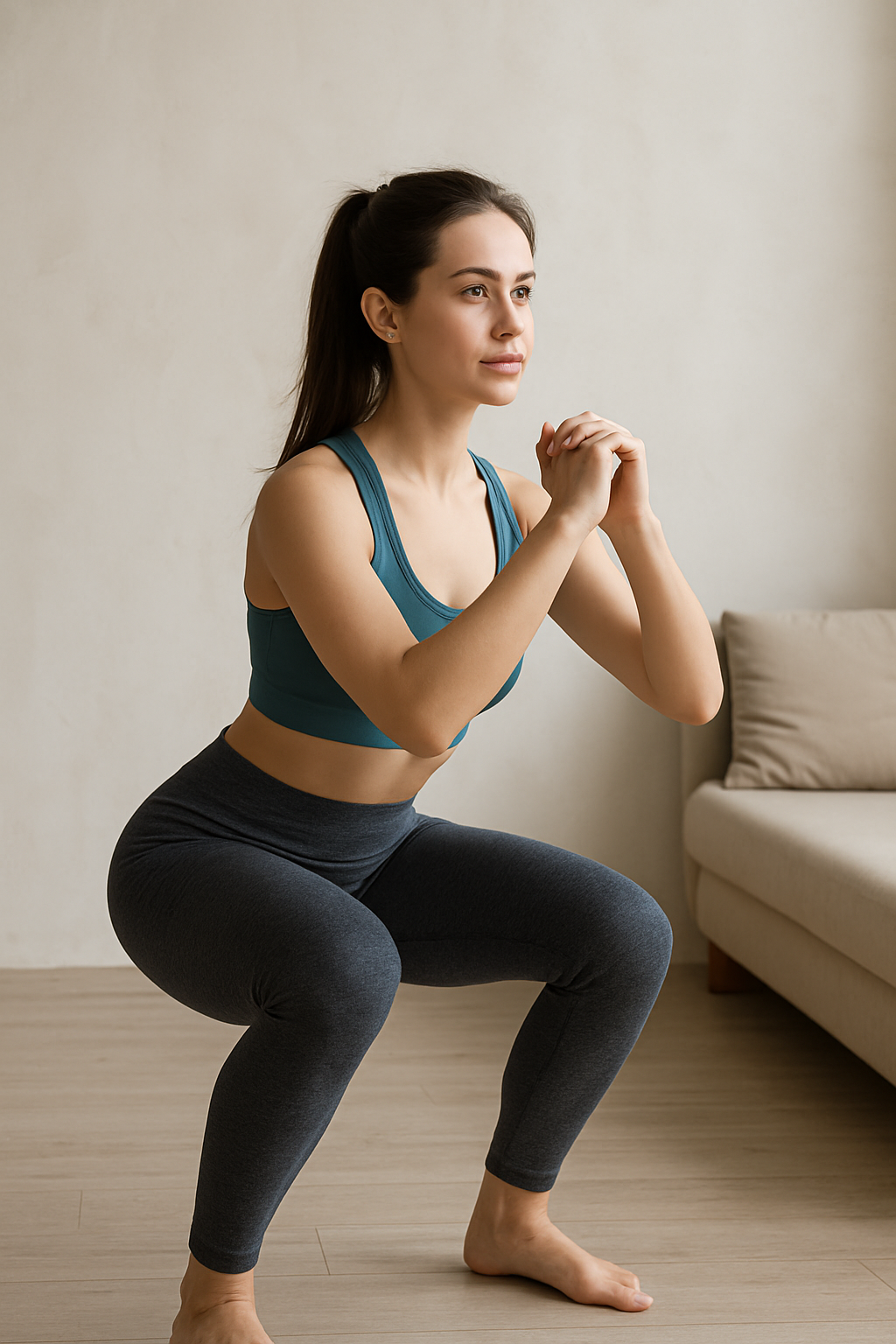
Squats

Squats engage your glutes, quads, and core. Maintaining an upright posture forces your abdominal muscles to stay engaged.

Deadlifts

Deadlifts are one of the best exercises for building posterior chain strength and tightening the core.

Overhead Press

This upper-body powerhouse requires strong core stabilization to maintain balance.


Isolation Exercises to Sculpt the Core

Planks

Planks target the entire core, including deep stabilizer muscles that help flatten the belly.

Russian Twists

This rotational movement tones the obliques and improves core mobility.

Leg Raises

Perfect for targeting lower abdominal muscles that are typically hard to activate.


Weekly Workout Plan for Strength Training For A Flat Belly

Beginner-Friendly 3-Day Routine

  • Day 1: Squats, planks, deadlifts

  • Day 2: Lunges, Russian twists, overhead press

  • Day 3: Glute bridges, leg raises, row variations

Intermediate 4-Day Strength Split

  • Day 1: Upper-body strength

  • Day 2: Core & lower body

  • Day 3: Total body strength

  • Day 4: Core + HIIT combination

Advanced 5-Day Resistance Program

  • Includes heavy compound lifts, supersets, and high-volume abdominal sessions to maximize definition.


Nutrition Tips to Support Strength Training For A Flat Belly

Best Foods for Lean Muscle Growth

  • Lean proteins

  • Whole grains

  • Leafy greens

  • Healthy fats (avocado, nuts)

What to Avoid for Better Belly Fat Loss

  • Excess sugar

  • Soda

  • Deep-fried foods

  • Heavy alcohol consumption

For additional healthy eating guidance, visit Harvard School of Public Health:
https://www.hsph.harvard.edu/nutritionsource/ ← (External Link)


Common Mistakes to Avoid During Strength Training

Overtraining and Under-Recovery

Your body needs rest to build muscle. Without recovery, progress slows and stress hormones rise.

Poor Form and Injury Risks

Correct form ensures better results and keeps you safe during workouts. Consider working with a trainer when learning new exercises.


Frequently Asked Questions About Strength Training For A Flat Belly

1. Can strength training really flatten my belly?

Yes! Strength training builds muscle, burns fat, and strengthens your core—key components of achieving a flat belly.

2. How long before I see results?

Most people see noticeable changes within 6–8 weeks with consistent training and proper nutrition.

3. Do I need to lift heavy weights?

You can start light, but gradually increasing weight helps build calorie-burning muscle.

4. Are abs made in the kitchen?

Nutrition plays a major role. Strength training combined with healthy eating yields the best results.

5. Do I need cardio too?

Cardio helps burn extra calories, but strength training is more effective for long-term fat loss.

6. Can beginners do strength training safely?

Absolutely—start with bodyweight exercises and progress as your strength improves.


Conclusion

Strength Training For A Flat Belly is one of the most efficient ways to strengthen your core, burn stubborn fat, and build a lean, toned body. When you combine the right exercises with smart nutrition and consistency, your flat-belly goals become 100% achievable.

If you want lasting results, focus on full-body strength movements, progressive overload, and a healthy diet—your core will thank you!

Belly Fat Workouts – Loss Belly Fat For Women

HTT vs Cardio for losing belly fat

HTT vs Cardio for losing belly fat: 11 Incredible Facts You Must Know

Belly fat is one of the most stubborn areas for many people trying to get in shape. If you’ve been wondering which workout style is better — HTT vs Cardio for losing belly fat — you’re not alone. Many fitness communities debate this topic endlessly. The truth is, both approaches can burn fat, but the difference lies in how they do it, when they do it best, and who can benefit the most.

HTT vs Cardio for losing belly fat

In this complete, easy-to-read guide, you’ll learn the exact differences between HTT and cardio, how each affects belly fat, what science says, and how to choose the method that works best for your lifestyle and body type.


Introduction to HTT vs Cardio for losing belly fat

When we compare HTT vs Cardio for losing belly fat, we’re really comparing two very different workout philosophies. While cardio focuses on steady movement for longer durations, HTT emphasizes short, high-intensity bursts followed by quick breaks. These differences affect heart rate, calorie burn, metabolism, and even hormonal responses.

Let’s break down both workout types so you can decide which one can help you burn belly fat more efficiently.


Understanding HTT Training

What Is HTT?

HTT refers to a high-intensity training technique that pushes your body close to its maximum effort for short periods. Think of sprint intervals, explosive movements, or fast-paced circuit training.

Key Features of HTT Workouts

  • Short workout duration (10–25 minutes)

  • Rapid heart rate increase

  • Alternating high-intensity bursts & short rest periods

  • Can be done without any equipment

  • Increases oxygen demand drastically

How HTT Targets Stubborn Belly Fat

Studies show that short bursts of high-intensity activity activate more fat-burning hormones like adrenaline and growth hormone. These hormones help break down stored belly fat more efficiently than steady-state exercise.

HTT also boosts something called the EPOC effect (Excess Post-Exercise Oxygen Consumption), meaning your body continues burning calories even after you’re done.


Understanding Cardio Exercises

What Counts as Cardio?

Cardio includes:

  • Walking

  • Jogging

  • Cycling

  • Swimming

  • Rowing

  • Aerobics

These exercises keep your heart rate moderate and steady.

How Cardio Affects Fat Burning

Cardio uses your aerobic system, which means your body relies on oxygen to produce energy. When done long enough (20+ minutes), cardio starts tapping into fat stores for fuel.

Belly Fat Response to Steady-State Cardio

Cardio is excellent for overall fat loss, but belly fat may come off more slowly compared to HTT because the intensity isn’t as high. However, it is safer and more sustainable for beginners.


HTT vs Cardio for losing belly fat: Which Burns More Calories?

HTT vs Cardio for losing belly fat

Calorie Burn Comparison

  • HTT: Burns more calories in a shorter amount of time.

  • Cardio: Burns fewer calories per minute but is easier to sustain.

Afterburn Effect & Metabolism

HTT produces a stronger afterburn effect, meaning your metabolism stays elevated for up to 24 hours. Cardio does not offer the same metabolic boost.


Impact on Overall Body Composition

Lean Muscle Preservation

HTT helps build and maintain lean muscle mass because of its strength-based movements. Cardio can sometimes lead to muscle loss if overdone.

Fat Loss Consistency

Cardio is easier to stay consistent with, which leads to steady fat loss. HTT requires more energy and motivation, but results can come faster.


Workout Duration & Efficiency

Time Investment for HTT

HTT is ideal for busy people. You can complete a session in as little as 15 minutes and still burn a significant number of calories.

Time Investment for Cardio

Cardio sessions typically last 30–60 minutes to achieve optimal fat-burning.


Suitability for Beginners & Advanced Levels

Who Should Choose HTT?

  • Intermediate or advanced exercisers

  • Those looking for quick results

  • People who enjoy fast-paced workouts

Who Should Choose Cardio?

  • Beginners

  • People recovering from injury

  • Anyone who prefers steady movement

  • Individuals with joint sensitivity


Safety Considerations & Common Mistakes

Mistakes to Avoid in HTT

  • Not warming up properly

  • Overtraining

  • Using incorrect form

  • Doing HTT daily (should be 3–4x/week)

Mistakes to Avoid in Cardio Training

  • Using only one form of cardio

  • Ignoring intensity

  • Overlooking strength training


Realistic Expectations for Belly Fat Reduction

The Role of Diet in Fat Loss

No workout routine can overcome poor eating habits. A calorie deficit combined with high-protein meals yields the best belly fat reduction.

How Genetics Affect Belly Fat

Some people store more fat in their lower belly due to genetics. While you can’t change genetics, you can change lifestyle habits to minimize the impact.


Sample Weekly Plans (HTT & Cardio)

7-Day HTT Fat-Burning Routine

  • Mon: 15-min interval sprints

  • Tue: Core strengthening

  • Wed: HTT circuit

  • Thu: Light stretching

  • Fri: Intense HTT routine

  • Sat: Active rest

  • Sun: Mobility training

7-Day Cardio Fat-Burning Routine

  • Mon: 30-min walk

  • Tue: 45-min cycling

  • Wed: Aerobics

  • Thu: Jogging

  • Fri: Swimming

  • Sat: Light hike

  • Sun: Stretch & recovery


❓ FAQs About HTT vs Cardio for losing belly fat

1. Is HTT better than cardio for fast belly fat loss?
HTT generally burns more fat faster due to its intensity, but both methods work.

2. How many times a week should I do HTT?
3–4 times max to prevent injury and overtraining.

3. Does cardio burn belly fat effectively?
Yes, but usually at a slower pace compared to HTT.

4. Can I combine HTT and cardio?
Absolutely — this combination leads to optimal fat loss.

5. Do I need equipment for HTT?
No, bodyweight movements work perfectly.

6. What’s the biggest mistake people make when trying to lose belly fat?
Relying only on exercise without focusing on nutrition.

For more research-backed fitness information, you can explore resources like Healthline (external link):
https://www.healthline.com/nutrition


Conclusion

When comparing HTT vs Cardio for losing belly fat, the best choice depends on your fitness level, time availability, and personal preference. HTT offers quick, intense fat-burning potential, while cardio provides steady, sustainable progress. A combination of both — paired with a healthy diet — gives you the best long-term results.

Belly Fat Workouts – Loss Belly Fat For Women

At Home Belly Fat Exercises

Best At Home Belly Fat Exercises for Fast & Proven Results (2025 Guide)

Understanding At Home Belly Fat Exercises

At Home Belly Fat Exercises

If you’re searching for effective At Home Belly Fat Exercises, you’re definitely not alone. Belly fat is one of the most stubborn types of fat to get rid of, and many people struggle with it—even those who aren’t overweight. These exercises can help tighten your midsection, boost your metabolism, and improve your overall fitness from the comfort of your home.

What Makes Belly Fat Hard to Lose?

Belly fat is harder to eliminate because it contains more alpha-2 receptors, which slow down fat breakdown. Hormones, sleep, stress, and genetics also influence fat storage around the abdomen. When you combine targeted core exercises with cardio-based movements, you create the perfect environment for fat loss.

Types of Belly Fat (Visceral vs. Subcutaneous)

There are two kinds of belly fat:

  • Subcutaneous fat: The soft layer just under the skin

  • Visceral fat: The dangerous fat around organs that increases disease risk

The right At Home Belly Fat Exercises help reduce both types when paired with good nutrition.


Benefits of Doing At Home Belly Fat Exercises

Physical Benefits

At-home workouts help strengthen abdominal muscles, improve posture, reduce lower back pain, and boost energy levels. They also improve balance and stability.

Mental & Lifestyle Benefits

Working out at home saves time and money while boosting confidence and mood. You don’t need fancy equipment—your body weight is enough to see results.


Preparing for Your At-Home Workout Routine

Beginner-Friendly Warm-Ups

Before starting your exercises, warm up with:

  • Marching in place – 1 minute

  • Arm circles – 30 seconds

  • Hip rotations – 30 seconds

  • Light jogging in place – 1 minute

Common Mistakes to Avoid

  • Holding your breath

  • Relying on momentum rather than muscle contraction

  • Doing too many reps without good form

  • Skipping warm-ups


Top At Home Belly Fat Exercises (Step-by-Step Guide)

At Home Belly Fat Exercises

Below is a list of the most effective exercises you can do at home to shred belly fat quickly.

1. Plank Variations

Planks engage the entire core and burn more calories than most ab exercises.

How to do a standard plank:

  1. Lie on your stomach.

  2. Lift your body by resting on your forearms and toes.

  3. Keep your body straight.

  4. Hold for 30–40 seconds.

2. Bicycle Crunches

  • Lie on your back

  • Lift your legs

  • Touch opposite elbow to knee

This builds oblique strength and reduces love handles.

3. Flutter Kicks

Target lower abs and improve core stability.

4. Mountain Climbers

A fat-burning cardio move that strengthens the core.

5. Standing Side Crunches

A great low-impact exercise ideal for beginners or individuals with back pain.


Weekly Workout Plan for Belly Fat Loss

Beginner Routine

  • Plank – 20 sec

  • Bicycle crunches – 15 reps

  • Mountain climbers – 20 sec

  • Rest – 1 min
    Repeat 3 times

Intermediate Routine

  • Plank – 40 sec

  • Flutter kicks – 25 reps

  • Mountain climbers – 40 sec

  • Side crunches – 20 per side

Advanced Routine

High-intensity circuits mixing planks, climbers, jump rope, HIIT cycles, and advanced core variations.


Nutrition Tips to Maximize Belly Fat Loss

Foods That Help Burn Belly Fat

  • Lean protein

  • Oats

  • Berries

  • Eggs

  • Avocados

  • Green tea

Foods to Avoid

  • Soda

  • White bread

  • Fried foods

  • Sugary snacks

For evidence-based nutrition, you may visit reputable sources like Harvard Health. (External link placeholder – non-clickable)


Tracking Progress at Home

Track your waist measurements weekly and log your workouts to stay accountable.

How to Stay Motivated

  • Celebrate small wins

  • Keep a checklist

  • Work out at the same time daily


FAQs About At Home Belly Fat Exercises

1. How many days a week should I do Belly Fat Exercises?
Aim for at least 4–5 days weekly for best results.

2. Can I lose belly fat without dieting?
Not really. Exercise helps, but nutrition drives fat loss.

3. How long does it take to see results?
Most people notice changes in 3–6 weeks.

4. Do I need equipment for these exercises?
No! Bodyweight is enough.

5. Are these exercises safe for beginners?
Yes—just start slow and use proper form.

6. Can seniors do these exercises?
Absolutely! Choose low-impact variations like standing crunches.


Conclusion

Losing belly fat doesn’t require a gym membership or expensive equipment. With consistent At Home Belly Fat Exercises, proper nutrition, and a solid routine, you can burn fat, strengthen your core, and feel more confident every day.

Belly Fat Workouts – Loss Belly Fat For Women

15 Minute Morning Workout: Transform Your Belly Fat into Energy Fast

15 Minute Morning Workout: The Ultimate Routine to Reduce Belly Fat Fast

Introduction – Why a 15 Minute Morning Workout Works Wonders

If you’ve ever wished to flatten your belly without spending hours in the gym, a 15 Minute Morning Workout might just be your secret weapon. Short, high-intensity sessions performed right after waking can jumpstart your metabolism, burn stubborn belly fat, and set a positive tone for the entire day. Science shows that early exercise taps into fat stores because your body is in a fasted state, making each movement count more toward fat loss.

Even better? Fifteen minutes is manageable — it fits any schedule, boosts energy, and promotes consistency, which is key for long-term results.


How Morning Exercise Boosts Fat Burning

Morning workouts aren’t just convenient — they’re biologically strategic. During the early hours, your body’s cortisol levels are naturally higher. This hormone helps convert stored fat into usable energy, enhancing the fat-burning process. Additionally, morning routines kick your metabolism into gear, keeping it elevated for hours — a phenomenon known as the afterburn effect.

Cortisol and Fat Loss Connection

Cortisol often gets a bad reputation, but in moderation, it’s your friend. Exercising in the morning leverages this natural cortisol spike, improving fat oxidation and helping you burn more calories throughout the day.

Why Consistency Matters More Than Duration

A consistent 15-minute workout every morning is more beneficial than a 1-hour session done occasionally. Regularity trains your body to burn fat efficiently and strengthens discipline — two critical components of a healthy lifestyle.


Essential Warm-Up (3 Minutes)

Before diving into your workout, spend a few minutes preparing your muscles and joints.

Dynamic Stretches and Mobility Drills

Start with:

  • 30 seconds of arm circles

  • 30 seconds of hip rotations

  • 30 seconds of leg swings

  • 30 seconds of neck rolls

  • 1 minute of marching in place

These movements increase blood flow and prevent injuries.

Breathing Techniques Before Exercise

Take deep, controlled breaths — inhale through your nose, exhale through your mouth. Oxygen-rich blood fuels performance and improves focus during intense intervals.


The 15 Minute Morning Workout Routine

Here’s your minute-by-minute breakdown for a belly fat-blasting routine.

Time Exercise Focus Area
1–3 mins Jumping Jacks, High Knees Warm-up & cardio
4–6 mins Plank Jacks, Mountain Climbers Core & endurance
7–9 mins Squats, Lunges Lower body fat burn
10–12 mins Push-Ups, Triceps Dips Upper body tone
13–15 mins Plank Hold, Burpees Full-body finisher

Perform each move for 40 seconds, rest for 20 seconds, and repeat as needed.

💡 Pro Tip: Use an interval timer app for accuracy and motivation.


Post-Workout Cool Down and Stretch (3 Minutes)

Cooling down reduces soreness and aids recovery.

Gentle Yoga Poses for Relaxation

End your session with:

  • Child’s Pose (1 min) – Relax your back

  • Cobra Stretch (1 min) – Stretch abs and core

  • Seated Forward Bend (1 min) – Improve flexibility


Nutrition Tips for Belly Fat Reduction

Your diet plays a massive role in how quickly you see results.

Morning Hydration Habits

Start your day with a glass of warm water and lemon to cleanse your system and enhance digestion.

What to Eat After Your 15-Minute Workout

Opt for:

  • A protein smoothie (banana + whey + almond milk)

  • Oatmeal with chia seeds

  • Boiled eggs and avocado toast

Protein helps rebuild muscle tissue while fiber keeps you full longer.


Common Mistakes to Avoid

  1. Skipping warm-ups or cool-downs

  2. Overtraining without rest

  3. Poor posture during exercises

  4. Inconsistent sleep and hydration

Avoiding these pitfalls ensures better performance and sustainable fat loss.


How to Track Your Progress

  • Take weekly waist measurements

  • Record workout times and reps

  • Use apps like MyFitnessPal or Fitbod to stay accountable


Real-Life Success Stories

Many people have lost up to 2–3 inches off their waist in a month using this routine consistently. It’s not magic — it’s discipline plus smart exercise.


Expert Tips to Stay Consistent

  • Schedule workouts like appointments

  • Keep workout clothes ready the night before

  • Celebrate small wins to stay motivated


FAQs About 15 Minute Morning Workouts

Q1. Can 15 minutes of exercise really reduce belly fat?
Yes! Consistent high-intensity workouts can burn significant calories and target visceral fat.

Q2. Should I eat before my morning workout?
Not necessarily. Fasted workouts can enhance fat burning, but listen to your body’s needs.

Q3. What’s the best time to exercise in the morning?
Anywhere between 6–9 AM when cortisol and metabolism are high.

Q4. Can beginners do this workout?
Absolutely. Modify movements and take longer rest intervals if needed.

Q5. How soon will I see results?
Most people notice visible changes within 3–4 weeks with consistency.

Q6. Can I do this routine daily?
Yes, but take one rest day per week to allow your muscles to recover.


Conclusion – Transform Your Mornings, Transform Your Body

A 15 Minute Morning Workout is the simplest, most effective way to burn belly fat, energize your day, and build lasting fitness habits. With discipline and proper nutrition, you can turn just a few minutes every morning into a powerful transformation tool.

💪 Start tomorrow — your future self will thank you!


🔗 External Resource:
For additional workout ideas, visit Healthline’s Fitness Section.

Belly Fat Workouts – Loss Belly Fat For Women


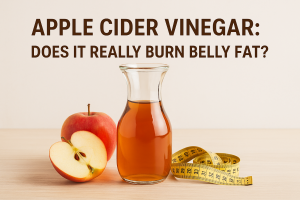
Apple Cider Vinegar: Does It Really Burn Belly Fat?


Apple Cider Vinegar: Does It Really Burn Belly Fat?

Introduction: The Viral Fat-Burning Promise

Apple Cider Vinegar: Does It Really Burn Belly Fat?
Apple Cider Vinegar

Apple cider vinegar (ACV) has become a household name in the world of natural health and wellness. From TikTok influencers to celebrity nutritionists, everyone seems to be raving about its supposed ability to melt belly fat, control appetite, and accelerate weight loss. But how much of this is backed by science, and how much is simply hype?

If you’ve ever wondered whether adding a splash of apple cider vinegar to your morning routine could really help you flatten your stomach, this guide breaks down everything you need to know — the facts, the myths, and how to use it effectively (and safely).

What Is Apple Cider Vinegar?

Apple cider vinegar is made through a two-step fermentation process. First, crushed apples are combined with yeast to convert their natural sugars into alcohol. Then, specific bacteria (Acetobacter) are added to turn the alcohol into acetic acid — the active ingredient believed to deliver most of the health benefits.

The result is a sour, slightly sweet liquid containing:

  • Acetic acid – the main fat-burning compound
  • Probiotics – beneficial bacteria that support gut health
  • Polyphenols – plant-based antioxidants that may protect cells from oxidative stress

When unfiltered, apple cider vinegar also contains a cloudy substance called “the mother”, rich in enzymes and friendly bacteria that support digestion.

The Science Behind ACV and Fat Loss

1. Appetite Suppression and Reduced Calorie Intake

Acetic acid, the key component in ACV, can help reduce hunger and increase feelings of fullness. In a 2009 study published in Appetite, participants who consumed vinegar with meals reported lower appetite and consumed fewer calories throughout the day.

Acetic acid slows gastric emptying, keeping you fuller for longer and helping you reduce calorie intake — one of the most effective paths to losing belly fat over time.

2. Improved Blood Sugar Control and Insulin Sensitivity

Insulin spikes play a key role in fat storage, especially around the abdominal area. ACV may help flatten these spikes. A study in Diabetes Care found that apple cider vinegar improved insulin sensitivity by up to 34% after a high-carb meal. Stable insulin levels mean your body is less likely to store excess calories as belly fat.

3. Fat Metabolism Boost

Animal studies suggest that acetic acid activates AMPK (AMP-activated protein kinase), an enzyme that encourages fat burning and reduces fat storage. While more human research is needed, ACV may support fat metabolism when combined with a balanced diet and exercise.

4. Better Heart Health and Cholesterol

ACV can help lower cholesterol and triglyceride levels, which supports metabolic and cardiovascular health — both essential for long-term fat loss.

What the Research Actually Shows

Apple cider vinegar
Apple cider vinegar

A 2009 Japanese study followed 175 obese participants for 12 weeks. They were divided into three groups taking 1 tablespoon, 2 tablespoons, or a placebo daily.

  • 1 tbsp group lost 1.2 kg (2.6 lbs)
  • 2 tbsp group lost 1.7 kg (3.7 lbs)
  • Placebo group lost no weight

Participants who took ACV also saw reductions in waist circumference and visceral fat, suggesting that consistent use may help target belly fat gradually — not dramatically.

What to Expect (Realistic Results)

Benefit Evidence Level Description
Reduced appetite Moderate Helps you feel fuller, reducing overeating and snacking.
Better blood sugar control Strong Improves insulin sensitivity and reduces sugar spikes.
Slight fat loss Moderate Supports fat metabolism when combined with healthy habits.
Improved digestion Moderate Contains probiotics and enzymes that aid gut function.
Spot belly fat reduction Weak Fat loss occurs overall, not in one targeted area.

How to Use Apple Cider Vinegar for Belly Fat

1. Recommended Dosage

Take 1–2 tablespoons (15–30 ml) of apple cider vinegar daily, diluted in a large glass of water (8–10 oz). Never drink it straight — its acidity can harm your teeth and throat.

2. Best Times to Take It

  • Before meals: Improves satiety and portion control.
  • In the morning: Stabilizes blood sugar early in the day.
  • Before carb-heavy meals: Helps reduce glucose spikes.

3. ACV Drink Recipe

1 tbsp apple cider vinegar + 1 tsp lemon juice + 1 tsp honey + 1 glass of warm water
Optional: Add cinnamon or cayenne pepper to boost metabolism.

4. Apple Cider Vinegar Gummies

If you dislike the taste, ACV gummies are a convenient alternative. Choose options that contain real acetic acid and minimal added sugars.

Safety and Side Effects

  • Tooth enamel erosion: Always dilute ACV or use a straw.
  • Stomach irritation: High doses can cause nausea or reflux.
  • Medication interactions: Consult your doctor if you take insulin or diuretics.

ACV and Gut Health: The Hidden Advantage

Apple cider vinegar may improve gut microbiota, promoting digestion and nutrient absorption. A balanced gut reduces bloating and supports overall metabolic health — contributing indirectly to a flatter stomach.

The Truth About Spot-Reducing Belly Fat

No drink or supplement can “spot reduce” fat. However, ACV supports overall fat loss through improved metabolism, calorie control, and insulin balance. As your total body fat decreases, your belly area naturally slims down too.

Combining ACV with a Healthy Lifestyle

  • Eat a protein-rich, balanced diet.
  • Stay active with both cardio and strength training.
  • Drink plenty of water and sleep well.
  • Stay consistent — small daily actions add up over time.

Expert Opinion

“ACV may improve satiety and stabilize blood sugar, but it won’t cause major fat loss unless combined with proper nutrition and exercise,” says Dr. Marie Gomez, a registered dietitian.

Final Verdict: Does Apple Cider Vinegar Really Burn Belly Fat?

Yes — apple cider vinegar can help reduce belly fat indirectly by improving appetite control, metabolism, and insulin sensitivity.
No — it won’t melt belly fat overnight or replace a balanced diet and exercise routine.

Apple Cider Vinegar Gummies
Apple Cider Vinegar Gummies From Amazon

Used wisely, ACV can be a simple daily ritual that enhances your fat-loss results naturally.

Key Takeaways

  • Contains acetic acid, which supports fat metabolism and appetite control.
  • May slightly reduce belly fat when paired with a healthy lifestyle.
  • Always dilute 1–2 tbsp per day for safe use.
  • Use raw, unfiltered ACV with “the mother.”
  • Consistency and holistic health habits matter most.

Apple cider vinegar isn’t a miracle — but it can be a meaningful part of your long-term fat-loss journey.


Apple Cider Vinegar
Apple Cider Vinegar From Amazon

Best Workouts For Women

10 Proven Ways Intermittent Fasting Helps Women Burn Fat Fast (Backed by Science)


How Intermittent Fasting Helps Women Burn Fat (Proven Ways & Science-Backed Insights)

Introduction: Why Women Are Turning to Intermittent Fasting for Fat Loss How Intermittent Fasting Helps Women Burn Fat

In recent years, intermittent fasting (IF) has evolved from a wellness trend into a science-backed lifestyle embraced by women worldwide. Unlike restrictive diets that often lead to burnout, intermittent fasting helps women burn fat naturally by working with the body’s hormonal rhythm. From busy professionals to new mothers, women are discovering that fasting not only promotes fat loss but also improves energy, mental clarity, and long-term health.


Understanding Intermittent Fasting (IF)

What Is Intermittent Fasting?

Intermittent fasting is a time-restricted eating pattern that alternates between periods of eating and fasting. Instead of focusing on what you eat, it emphasizes when you eat. During fasting windows, your insulin levels drop, allowing the body to tap into stored fat for energy.

Popular Intermittent Fasting Methods for Women

Women often prefer flexible fasting styles that suit their hormonal cycles and daily routines:

  • 16:8 Method: Fast for 16 hours and eat within an 8-hour window.

  • 5:2 Method: Eat normally for 5 days and restrict calories (500–600) for 2 non-consecutive days.

  • 14:10 Schedule: A gentler version, ideal for beginners and women with busy lifestyles.


How Intermittent Fasting Helps Women Burn Fat

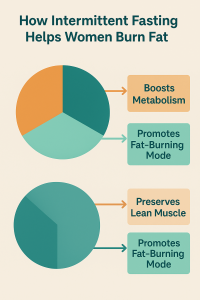
Boosting Metabolism and Hormone Balance

Intermittent fasting triggers key hormonal shifts that optimize fat burning. Lower insulin levels make stored fat more accessible, while an increase in human growth hormone (HGH) preserves muscle mass and promotes lean body composition. Fasting also helps balance leptin and ghrelin — hormones that regulate hunger and satiety.

Switching to Fat-Burning Mode (Ketosis & Autophagy)

When fasting extends beyond 12 hours, the body transitions into ketosis, where fat becomes the primary energy source. Simultaneously, autophagy—a cellular cleansing process—eliminates damaged cells and enhances metabolic health. These combined effects allow women to burn fat efficiently without losing muscle.

Preserving Lean Muscle While Losing Fat

A major benefit of intermittent fasting for women is retaining lean muscle while shedding fat. Unlike crash diets that lead to muscle loss, fasting encourages the body to use fat reserves while maintaining protein synthesis during refeeding periods.


The Science Behind Intermittent Fasting and Women’s Hormones

Why Female Hormones Respond Differently

Women’s bodies are more sensitive to calorie and nutrient fluctuations due to the role of estrogen, progesterone, and cortisol. These hormones influence fat storage, mood, and energy balance. Hence, fasting should be practiced strategically, respecting hormonal cues.

Safe Fasting Practices for Hormonal Health

To protect hormonal balance:

  • Start with shorter fasting windows (12–14 hours).

  • Avoid fasting during high-stress periods or menstruation.

  • Prioritize nutrient-dense meals with protein, healthy fats, and fiber.


Intermittent Fasting Benefits Beyond Fat Loss

Better Insulin Sensitivity and Lower Inflammation

Consistent fasting reduces insulin resistance and systemic inflammation, lowering the risk of type 2 diabetes and PCOS — conditions that disproportionately affect women.

Improved Mental Focus and Energy

Fasting enhances brain-derived neurotrophic factor (BDNF), improving focus, alertness, and mood stability. Many women report feeling clear-headed and more productive during fasting hours.


Common Mistakes Women Make with Intermittent Fasting

Skipping Nutrition-Rich Meals

Many women focus on fasting length but neglect meal quality. Avoid ultra-processed foods and ensure every meal includes a balance of macros.

Fasting Too Long or Too Often

Over-fasting can raise cortisol and disrupt menstrual cycles. Listen to your body, and adjust based on energy levels and sleep patterns.


Intermittent Fasting Meal Plan for Women

10 Proven Ways Intermittent Fasting Helps Women Burn Fat Fast (Backed by Science)
Ways Intermittent Fasting Helps Women Burn Fat

What to Eat During Eating Windows

  • Lean proteins: chicken, eggs, salmon

  • Complex carbs: quinoa, sweet potatoes

  • Healthy fats: avocado, olive oil, nuts

  • Plenty of greens and fiber-rich vegetables

Best Drinks During Fasting Periods

  • Water (plain or mineral)

  • Black coffee or green tea

  • Electrolyte water (no sugar added)


Real Results: Women’s Success Stories with Intermittent Fasting

Thousands of women have achieved sustainable fat loss through IF. For example, a 38-year-old mother shared that she lost 20 pounds in 3 months using the 16:8 method—without giving up her favorite foods or energy.


FAQs: Everything Women Should Know About Intermittent Fasting

Q1: Can intermittent fasting cause hormonal imbalances?
Yes, if done excessively. Moderate fasting (12–14 hours) is safer for women.

Q2: Is intermittent fasting safe during pregnancy?
No, it’s not recommended. Always consult a healthcare provider.

Q3: Will fasting slow down metabolism?
No, short-term fasting can actually boost metabolic rate.

Q4: What can I drink while fasting?
Water, black coffee, and unsweetened tea are allowed.

Q5: How long before results appear?
Most women notice visible fat loss within 3–4 weeks.

Q6: Can I exercise while fasting?
Yes! Light to moderate workouts like yoga or walking are ideal during fasts.


Conclusion: Empower Your Fat Loss Journey with Intermittent Fasting

Intermittent fasting isn’t just a diet—it’s a lifestyle strategy that helps women reclaim their metabolism, improve hormonal balance, and burn fat sustainably. By aligning fasting windows with your body’s natural rhythm, you can unlock lasting energy, confidence, and health.


🔗 External Resource:
For more scientific insights, visit the Harvard Health Blog on Intermittent Fasting.

Best Workouts For Women

error: Content is protected !!